


Introduction to database management
A database management system is software for managing and maintaining data. It helps users store, manage, and retrieve data efficiently, and keep it consistent, complete, and secure.
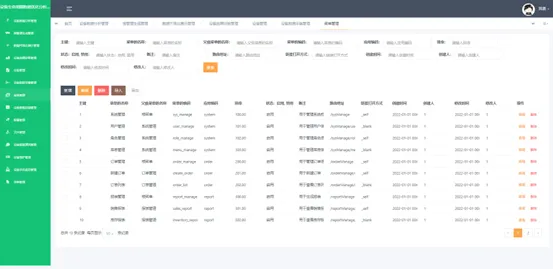
Functions
1. Backup and recovery: backup and recovery keep the data safe.
2. Retrieval: several search methods, so the needed data can be found quickly.
3. Protection: encryption to keep the data secure.
4. Integrity: transactions and concurrency control keep the data complete.
5. Analysis and reports: analysis and reporting, so the company can understand the data.
6. Database setup: several database types, with flexible configuration.
7. Table maintenance: create, change, and delete tables, with a range of data types and constraints.
8. Query: SQL, for direct queries.
9. Reports: reports for analysis and decisions.
10. System administration: user accounts, permissions, and other system settings.

Technical strengths
1. Cross-platform: the system runs on Windows, Linux, Unix, and other operating systems.
2. Memory management: memory management that raises system performance.
3. Transactions: large batches of data, while keeping the data consistent.
4. Transfer security: SSL and other encryption for data in transit.
5. Growth: distributed deployment, and horizontal growth as the work requires.
Planned improvements
1. More database templates for different industries and jobs.
2. Stronger security, with stricter permission management.
3. AI for analysis and prediction.
4. Better performance, with faster and more stable data processing.
Examples
Energy management: track and improve the use of electricity, gas, water, and similar resources. The system collects and analyzes data and shows consumption and cost as it happens, so the company can decide with current information.
Industrial automation: store and query data from sensors, actuators, controllers, and other automation equipment. Live monitoring and alarms help keep production stable and safe.
Supply chain: track and improve purchasing, warehousing, and transport. Live analysis and prediction help the company manage inventory, reduce cost, and work more efficiently.