


We work on test-data management, analysis and processing, time-series visualization, and industry-specific AI models, and we build for customersone path from acquisition and management through analysis to the use of an AI model.
Technical strengths
Test-data management: organize scattered test data and capture it as it arrives, so nothing is dropped and storage stays reliable. Search supportslooking back at a test at any time, which is the base for deeper analysis.
In an automotive-component endurance test, the software collects and classifies a large volume of test data, so development staff canfind the important information quicklyand move product development faster.
Analysis and processing: the team uses algorithms and models to get value from industrial data and test data. For data with many variables, it canread the relationships, predict how the data will move, and flag a likely equipment fault earlier. Batch processing with automatic reports, filtering, resampling, time-frequency transforms, and custom algorithms can be added as needed,to fit the analysis at hand.
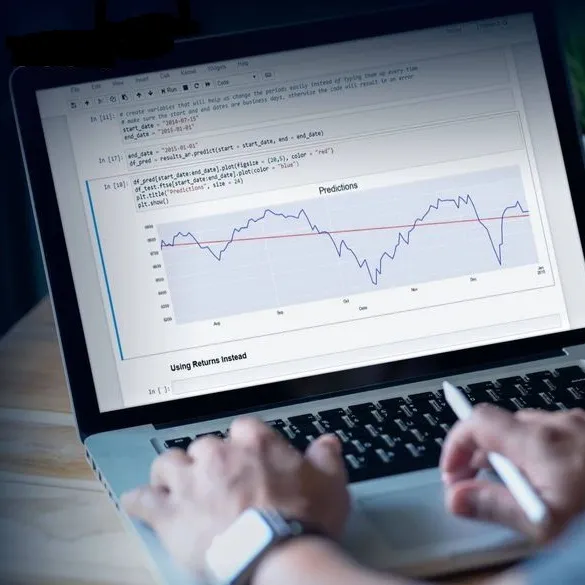
Time-series visualization: built on Visual ADP and related in-house software,it addresses the stalls and out-of-memory failures that appear when the data volume is large. Time-series data is shown as line charts, bar charts, heat maps, and similar views, so you cansee the important points and the pattern underneath. Formulas, common algorithms, and interactive operations can be added, so analysis isclearer and faster.
Industry AI models: for the industry,models for fault diagnosis, quality prediction, and similar jobs. Trained on a large amount of industry data, a model canrecognize complex patterns and process the data. It is then tuned to the actual work and the actual data, and after development it isdeployed into the business system, so it runs as part of that system.